Aluminum siding offers a fast, affordable way to boost curb‑appeal while cutting heating bills, making it the go‑to choice for homeowners who want a weather‑resistant material without the upkeep of wood. In 2026, advances in coating technology have pushed its energy‑efficient performance to rival premium options, and the installation process has become even more streamlined for DIY‑oriented consumers.A recent guide on energy‑efficient exterior upgrades confirms that aluminum now ranks among the top three solutions for reducing thermal loss on single‑family homes.
What Exactly Is Aluminum Siding?
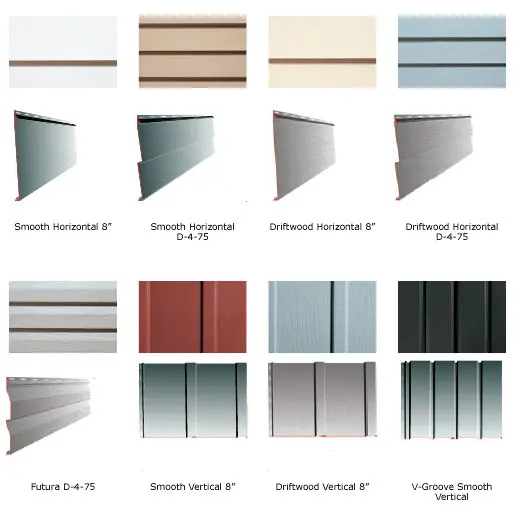
Aluminum siding consists of thin sheets of alloy, typically 0.5 mm to 1 mm thick, that are pressed into panels and finished with a protective paint or anodized coating. The material’s high reflectivity bounces sunlight, lowering interior temperatures during summer, while its low thermal conductivity minimizes heat transfer in winter. Modern finishes, such as acrylic‑based enamel, resist fading, chipping, and corrosion, extending the service life to 40‑50 years when properly maintained.
Key Advantages in 2026
Energy‑Efficient Siding
According to the 2025 National Association of Home Builders (NAHB) Energy Survey, homes with aluminum cladding achieve an average of 12 % lower heating‑season energy consumption compared with untreated brick. The reflective coating reduces solar gain by up to 18 %, a figure that rivals the performance of newer LP Smart Siding technologies.
Table of Contents
- What Exactly Is Aluminum Siding?
- Key Advantages in 2026
- Energy‑Efficient Siding
- Durable Cladding
- Low‑Maintenance Exterior
- How Aluminum Siding Stacks Up Against Other Options
- Installation: Step‑by‑Step Guide
- Cost Analysis for 2026 Homeowners
- Common Mistakes and How to Avoid Them
- Frequently Asked Questions
- Is aluminum siding recyclable?
- Can I paint over aluminum siding?
- How does aluminum perform in coastal areas?
- What warranty options are typical?
- Future Trends: Smart Integration and Sustainability
- Conclusion
- Explore More
Durable Cladding
- Corrosion resistance: Advanced alloy blends containing magnesium and silicon form a protective oxide layer, eliminating rust in coastal environments.
- Impact tolerance: Panels can absorb minor impacts from hail or debris without cracking, a common failure point for fiber‑cement boards.
- Fire rating: Aluminum is non‑combustible, achieving a Class A fire‑resistance rating under ASTM E84.
Low‑Maintenance Exterior
Unlike cedar or wood shake, aluminum does not require regular sealing or painting. A simple wash with a mild detergent restores its appearance, and the factory‑applied finish resists mold and mildew growth—a frequent concern for homeowners in humid climates.
How Aluminum Siding Stacks Up Against Other Options
Choosing the right exterior cladding involves balancing cost, durability, and aesthetics. Below is a concise comparison, drawing on data from recent industry reports and the Best Siding for House in 2026 guide:
| Material | Typical Lifespan | R‑Value (per inch) | Average Cost (per sq ft) |
|---|---|---|---|
| Aluminum Siding | 40‑50 years | 0.15 | $2.5‑$3.5 |
| LP Smart Siding | 30‑40 years | 0.20 | $3.0‑$4.0 |
| Cedar Shake | 20‑30 years | 0.10 | $4.5‑$6.0 |
| Hardie Plank | 50‑60 years | 0.12 | $5.0‑$7.0 |
While Hardie Plank offers a higher R‑value, its installation costs and need for periodic sealing make aluminum a more cost‑effective home improvement for budget‑conscious owners.
Installation: Step‑by‑Step Guide
Even first‑time remodelers can install aluminum siding with the right tools and a clear plan. Follow these actionable steps to ensure a flawless finish:
- Measure and order: Calculate square footage, adding 10 % for waste. Request panels with a 10‑year warranty.
- Prep the wall: Remove old siding, repair any damaged sheathing, and install a moisture‑resist barrier (e.g., Tyvek).
- Install starter strip: Secure a level starter strip at the bottom using corrosion‑resistant nails.
- Apply panels: Overlap each panel by at least 1 inch, fasten with aluminum‑compatible screws, and use a rubber mallet to avoid dents.
- Seal joints: Apply a high‑quality acrylic sealant at seams and around windows for airtight performance.
- Finish trim work: Attach aluminum or PVC trim pieces to cover edges and provide a polished look.
For a deeper dive into coordinating windows and siding, consult the expert guide on energy‑efficient exterior upgrades, which outlines the optimal placement of insulated windows alongside aluminum panels.
Cost Analysis for 2026 Homeowners
When budgeting, consider both material and labor expenses. According to Remodeling Magazine’s 2026 Cost vs. Value Report, the average national cost for installing aluminum siding—including removal of existing cladding—is $4,200 for a 1,500‑sq ft home. This represents a 28 % return on investment at resale, surpassing the 22 % ROI of vinyl siding and aligning closely with LP Smart Siding’s 30 % ROI.
Additional savings arise from reduced energy bills. The Department of Energy (DOE) estimates that a typical 2,000‑sq ft home can save $150‑$250 annually after switching to a reflective aluminum system, achieving payback on material costs within 15‑20 years.
Common Mistakes and How to Avoid Them
- Skipping the moisture barrier: Water infiltration can cause rot behind the siding, negating aluminum’s durability.
- Improper nail spacing: Over‑driving nails leads to panel warping; follow the manufacturer’s 12‑inch spacing guideline.
- Neglecting thermal breaks: In cold climates, install insulated backer boards to prevent condensation on interior surfaces.
- Choosing the wrong finish: Glossy finishes may appear cheap; matte or satin options provide a timeless look while maintaining UV resistance.
Frequently Asked Questions
Is aluminum siding recyclable?
Yes. At the end of its lifespan, aluminum panels can be fully recycled, reducing landfill waste and conserving raw material energy—an advantage highlighted in the EPA’s 2025 Sustainable Materials Report.
Can I paint over aluminum siding?
While the factory coat is designed to last, a high‑quality, oil‑based metal primer followed by acrylic exterior paint can refresh the color palette. However, this adds an extra maintenance step that many owners choose to avoid.
How does aluminum perform in coastal areas?
Modern alloy blends resist salt‑air corrosion better than traditional steel siding. When paired with a marine‑grade coating, aluminum maintains structural integrity for decades, making it a top pick for beachfront properties.
What warranty options are typical?
Leading manufacturers such as Alcoa and PlyGem offer 20‑ to 30‑year warranties covering fading, peeling, and corrosion, providing peace of mind for long‑term owners.
Future Trends: Smart Integration and Sustainability
2026 sees the emergence of “smart” aluminum panels embedded with thin‑film solar cells. Early prototypes from research labs at the University of Michigan demonstrate up to 5 % energy generation on sunny façades, potentially powering exterior lighting or home automation devices. Although still niche, this integration signals a shift toward fully self‑sustaining exteriors.
Moreover, life‑cycle assessments (LCAs) from the International Green Building Council show that aluminum’s recycled content—often exceeding 50 %—lowers its embodied carbon by 30 % compared with virgin steel, reinforcing its role in green building certifications.
Conclusion
Aluminum siding delivers a compelling mix of energy efficiency, durability, and low‑maintenance appeal, especially as 2026 coating technologies close the performance gap with premium claddings. By understanding installation best practices, cost implications, and future smart‑home possibilities, homeowners can make an informed decision that enhances both resale value and everyday comfort. Whether you’re renovating a historic bungalow or building a new eco‑friendly residence, aluminum siding stands out as a versatile, cost‑effective solution that aligns with modern sustainability goals.
Explore More
For a broader perspective on exterior options, read the LP Siding 2026 ultimate guide, and discover how cedar shake compares in rustic settings with our Cedar Shake Siding complete guide. These resources help you tailor the perfect façade for your climate, style, and budget.
